Church of Santi Faustino e Giovita
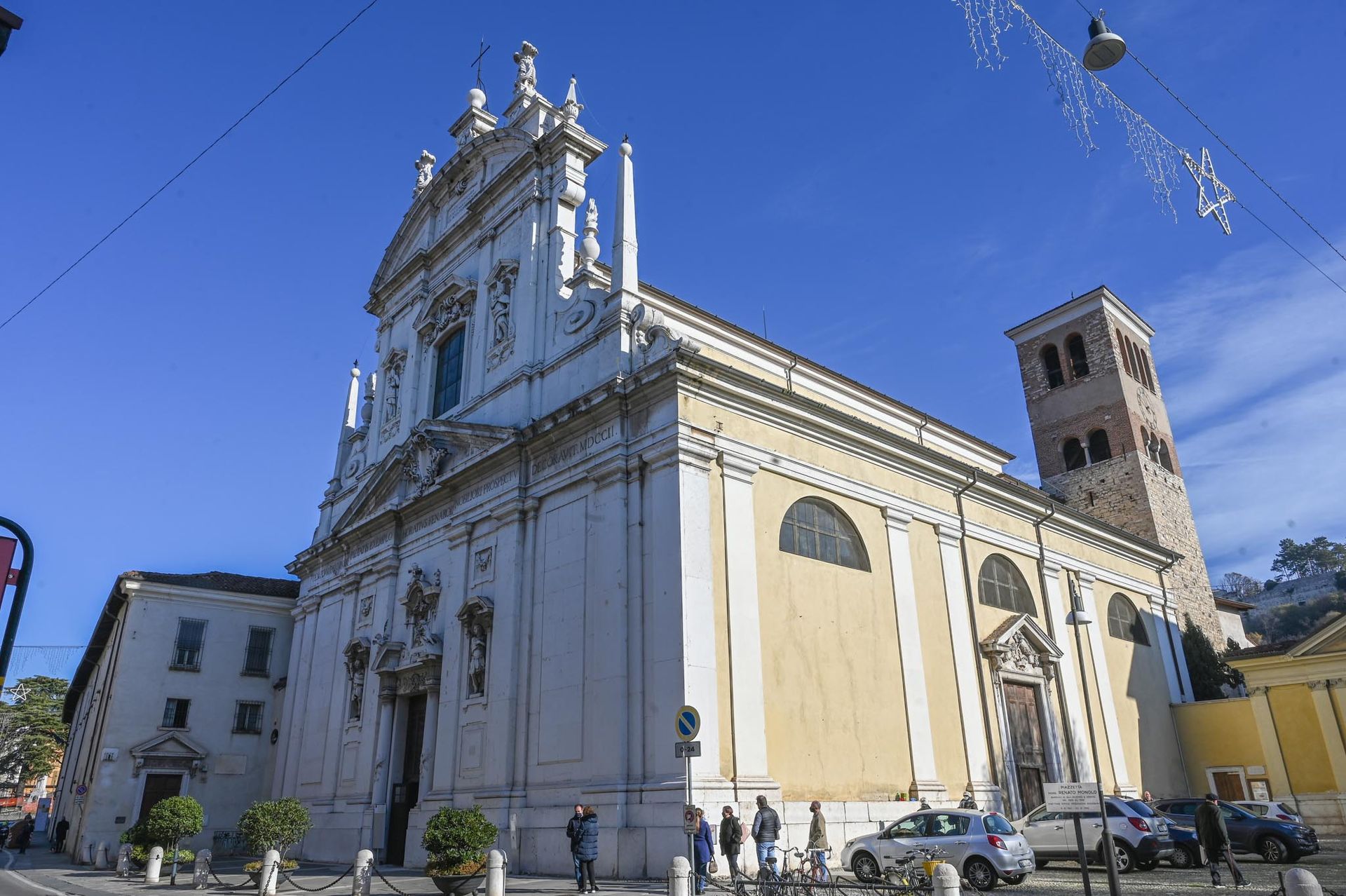
Church of Santi Faustino e GiovitaVia S. Faustino, 74, 25122, Brescia (BS)www.diocesi.brescia.it/cattedrale-di-brescia
In Brescia, locals call it San Faustino Maggiore, and it’s the patron saint church of the city, second only to the Duomo Vecchio and Duomo Nuovo in importance. It stands at the northern end of Via San Faustino, a stone's throw from the metro stop. Its history? Long, lively and still present.
Its origins date back to the 8th century. Since then, the church changed appearance several times, until the great transformation in the 17th century that gave it the appearance we know today: tall, baroque, theatrical. But never excessive. It houses the relics of Saints Faustinus and Jovita, patron saints of the city, along with those of Saint Honorius and Saint Antigius.
THE CHURCH
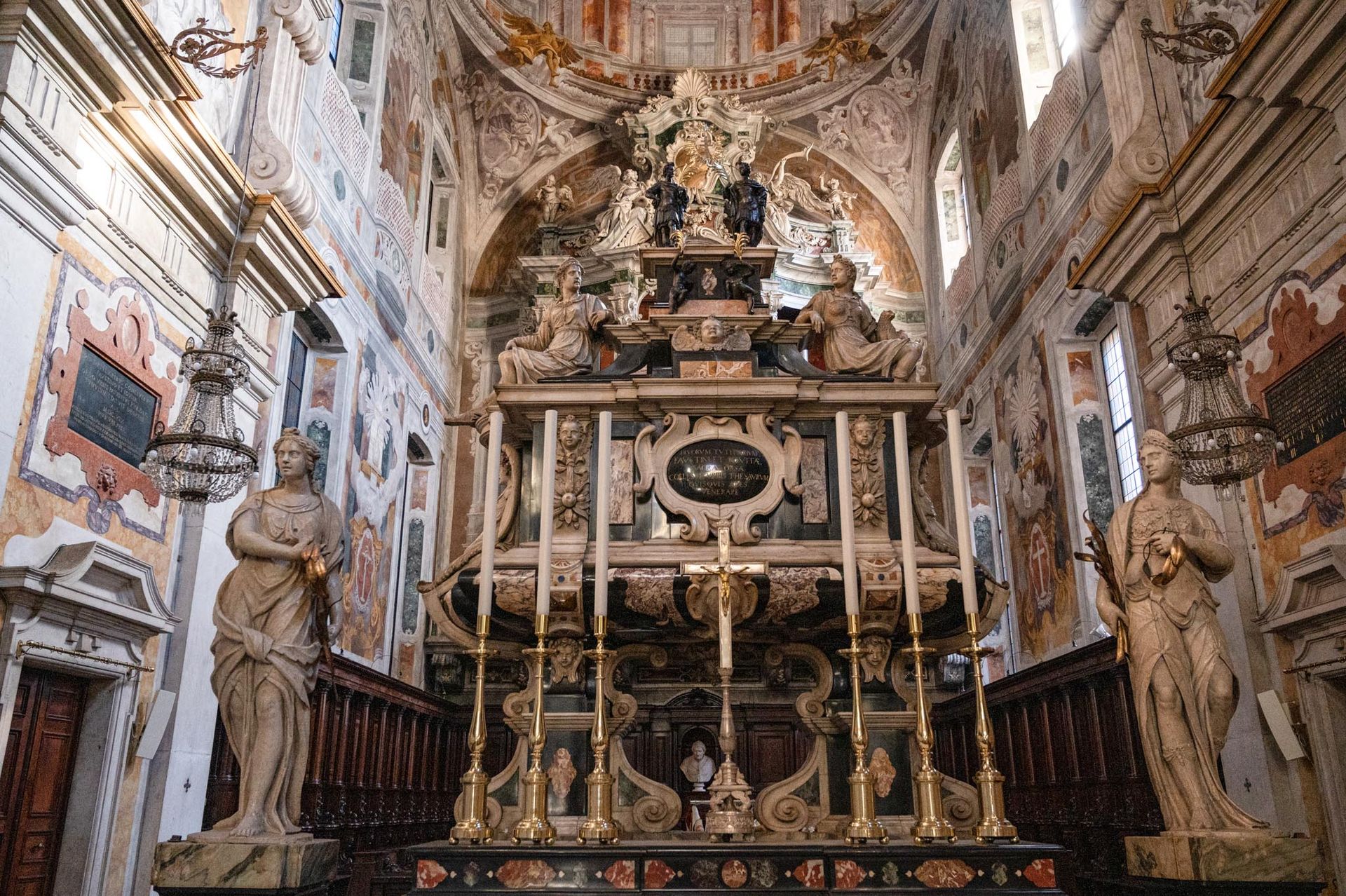
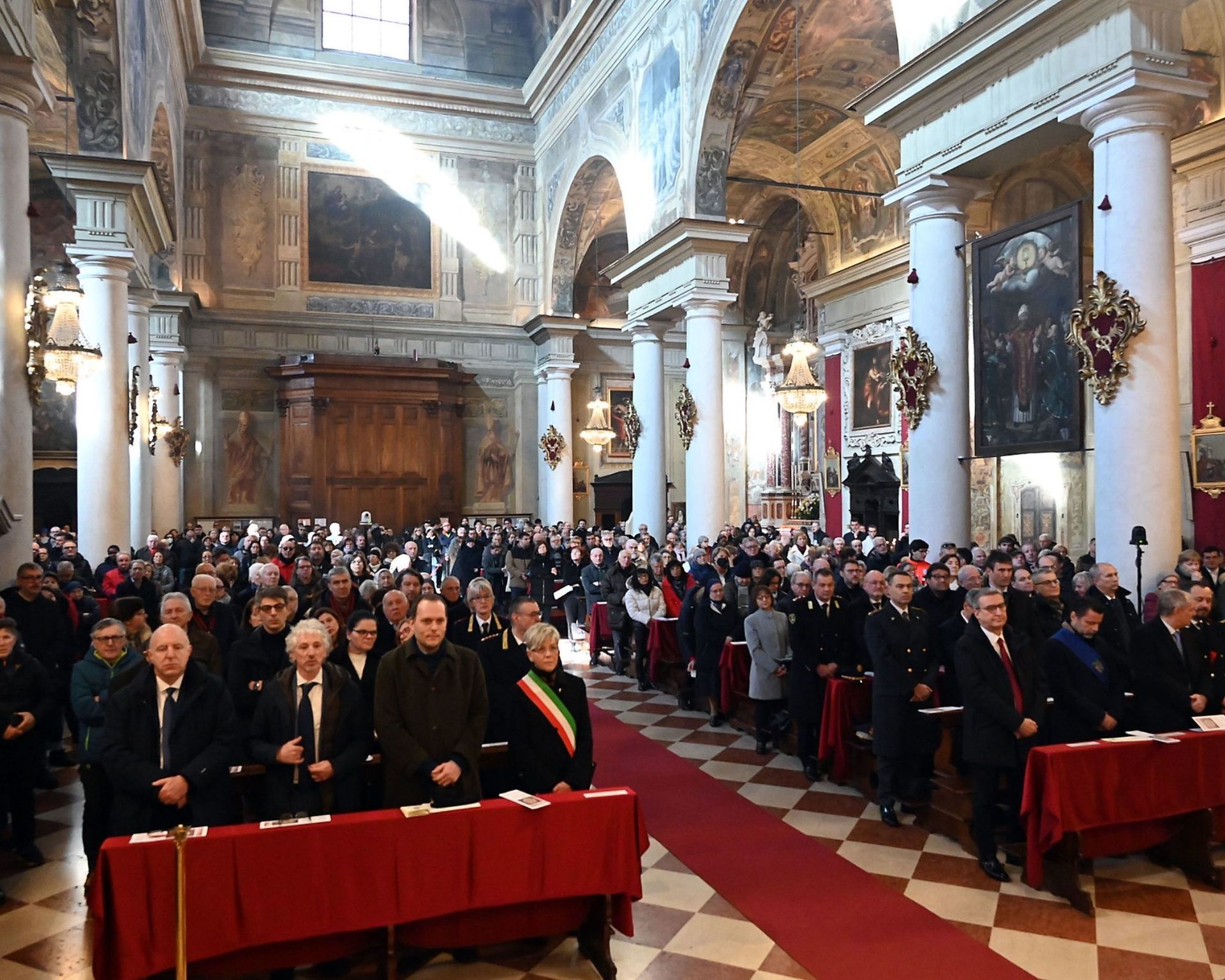
The interior is spacious and harmonious, with three naves and no transept. The central, brighter nave leads to the raised presbytery with altar, choir and flat apse. At the sides: five altars per nave and two chapels at the end.
The two serlian colonnades are visually striking, with six Tuscan columns per side on square bases. The walls are punctuated by 16th-century pilaster strips. Above the colonnade, a classical entablature supports a pavilion barrel vault; the side aisles are surmounted by cross vaults, the presbytery by two sail vaults.
The frescoes include: Sandrino in the nave, Tiepolo in the chancel with the Apotheosis of the Saints. Works by Gambara, Cattaneo and Romanino complete the ensemble.
The sepulchral ark of the titular saints is particularly noteworthy. Other treasures, like the triptych of Saint Honorius and the famous Gallo di Ramperto, a once-gilded weathervane in the shape of a rooster, are now housed in the Museum of Santa Giulia.
A legacy that Brescia proudly guards.

Ph Christian Penocchio
THE FAÇADE
The façade, designed by Giuseppe Cantone between 1699 and 1711, is one of the most beautiful in Brescia. Made entirely of Botticino marble, it has two orders.
The lower level, of the Tuscan order, features the central portal framed by columns and baroque decorations. In the centre is the famous Martyrdom of Saints Faustinus and Jovita sculpted by Santo Calegari the Elder, and the statues of the two titular saints.
The upper, Ionic order features a large window and statues of St Antigius and St Honorius, attributed to the Calegari workshop. A low arched pediment with side volutes, spires and a central iron cross concludes the ensemble.