Brescia Castle

Brescia CastleVia del Castello, 9, 25121, Brescia (BS)bresciamusei.com/castello-di-brescia/
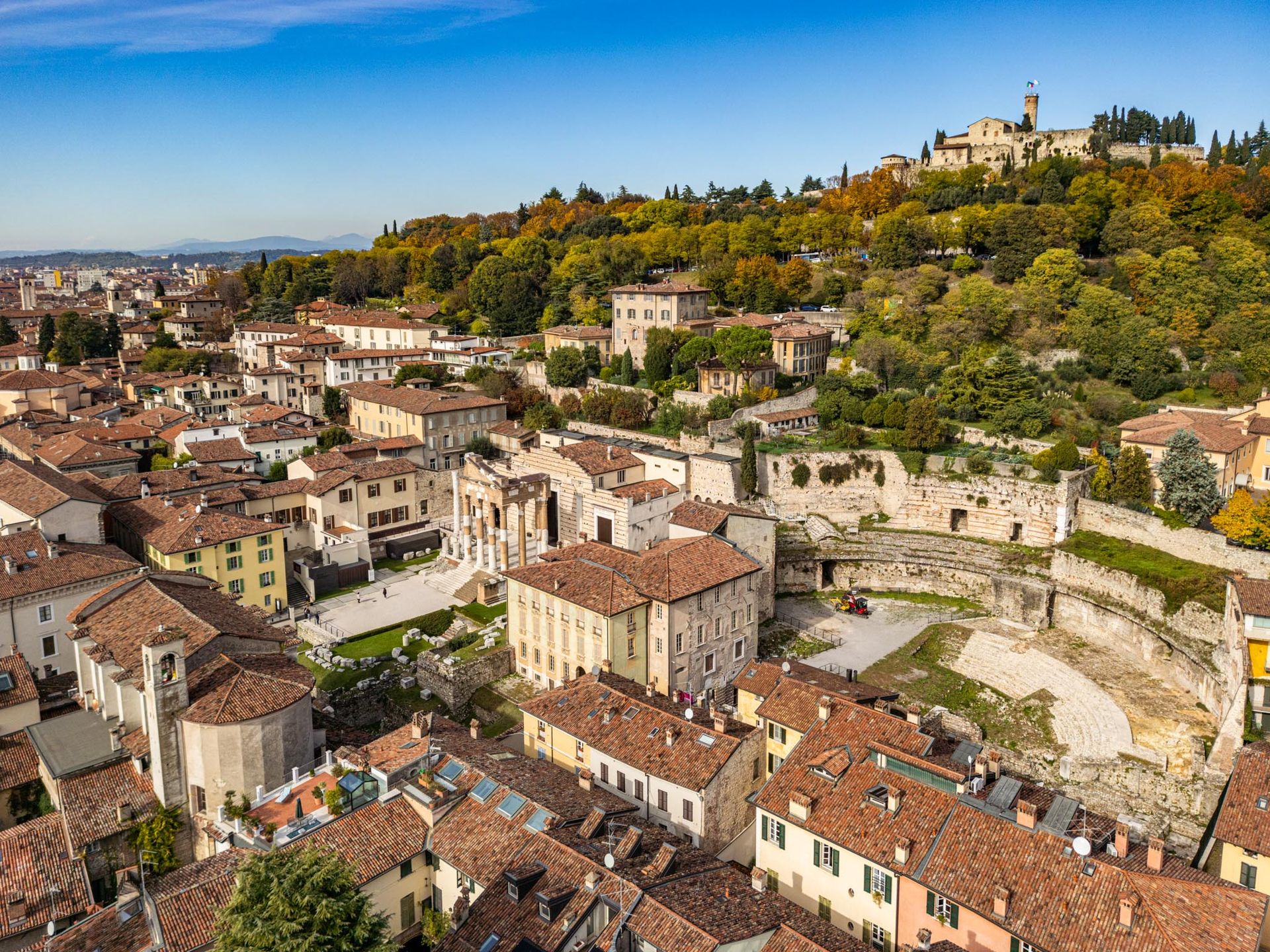
No journey through the heart of Brescia would be complete without a visit to its most imposing and impressive symbol: the Castle on Cidneo hill. Between history, art and nature, this place is a living testimony to the transformations the city has seen over the centuries. To walk within its walls is to immerse yourself in a journey that combines historical memory and contemporary leisure spaces.
THE CASTLE
The ancient part of the city of Brescia, Roman Brixia - so called since the 1st century BC because of the rocky and irregular appearance of the ground on which it was built - is bordered to the north-east by the Cidneo hill (245 m). The Celtic term Brich indicated precisely the rocky summit and high places. This hill, which offers enchanting views of the city, has been a strategic reference point and landmark for millennia, from the Bronze Age settlements until the early 20th century. Standing atop the hill is the Castle, known as the 'Falcon of Italy' due to its dominant position. One of the largest fortified complexes on the peninsula, it covers an area of 75,000 square metres enclosed by walls.
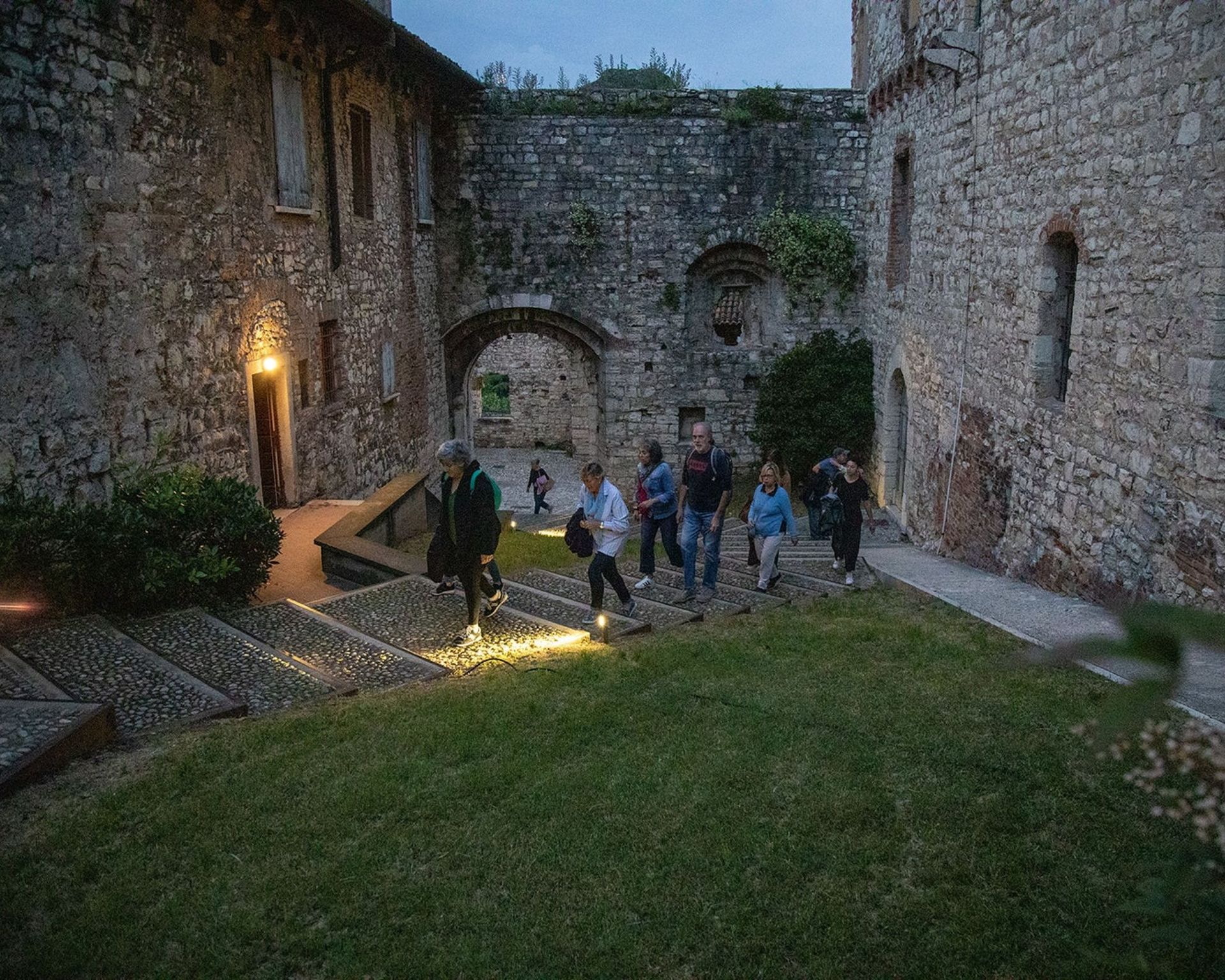
The ancient fortress, which combines Visconti and Venetian traces, contains well-preserved buildings that testify to the evolution of military techniques and the castle's strategic role in the control of the city by different rulers. Walking along the internal pathways, visitors can retrace the eras: from the 16th-century fortifications of the Venetian era, to the 19th-century structures of the Austrian occupation, to the medieval walls built by the Visconti family.
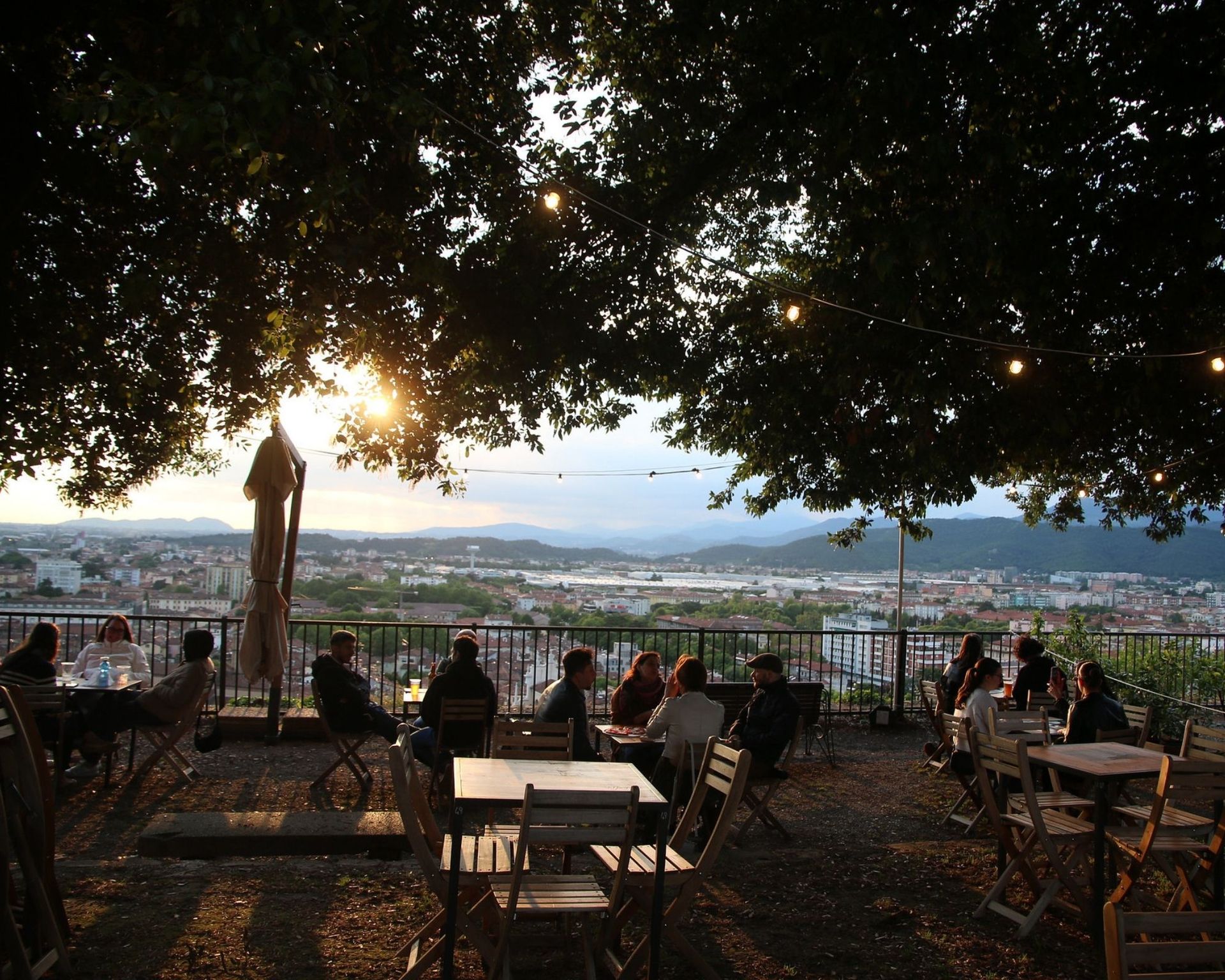
Today, the complex is also a place for meeting up and having fun. The slopes of the hill, once kept barren for military purposes, have been transformed into tree-lined avenues and recreational areas since the end of the 19th century, enriched with monuments and green spaces.
Inside the Visconti Keep is the 'Luigi Marzoli' Arms Museum, one of the most important in Europe for its collections of 15th- and 16th-century armour and firearms from the following centuries, evidence of the Lombard weapons-making tradition.
The Grande Miglio, a former grain store, is meanwhile home to the Risorgimento Museum, which houses documents, prints, paintings and memorabilia related to the most significant moments in Italian history between the 18th and 19th centuries.
The Castle of Brescia, therefore, isn’t just a fortress: it’s a bridge between past and present, with the ability to chronicle the history of the city and at the same time offer a cultural and natural oasis that’s open to all



5 results
Oct 02 – Oct 30 2026
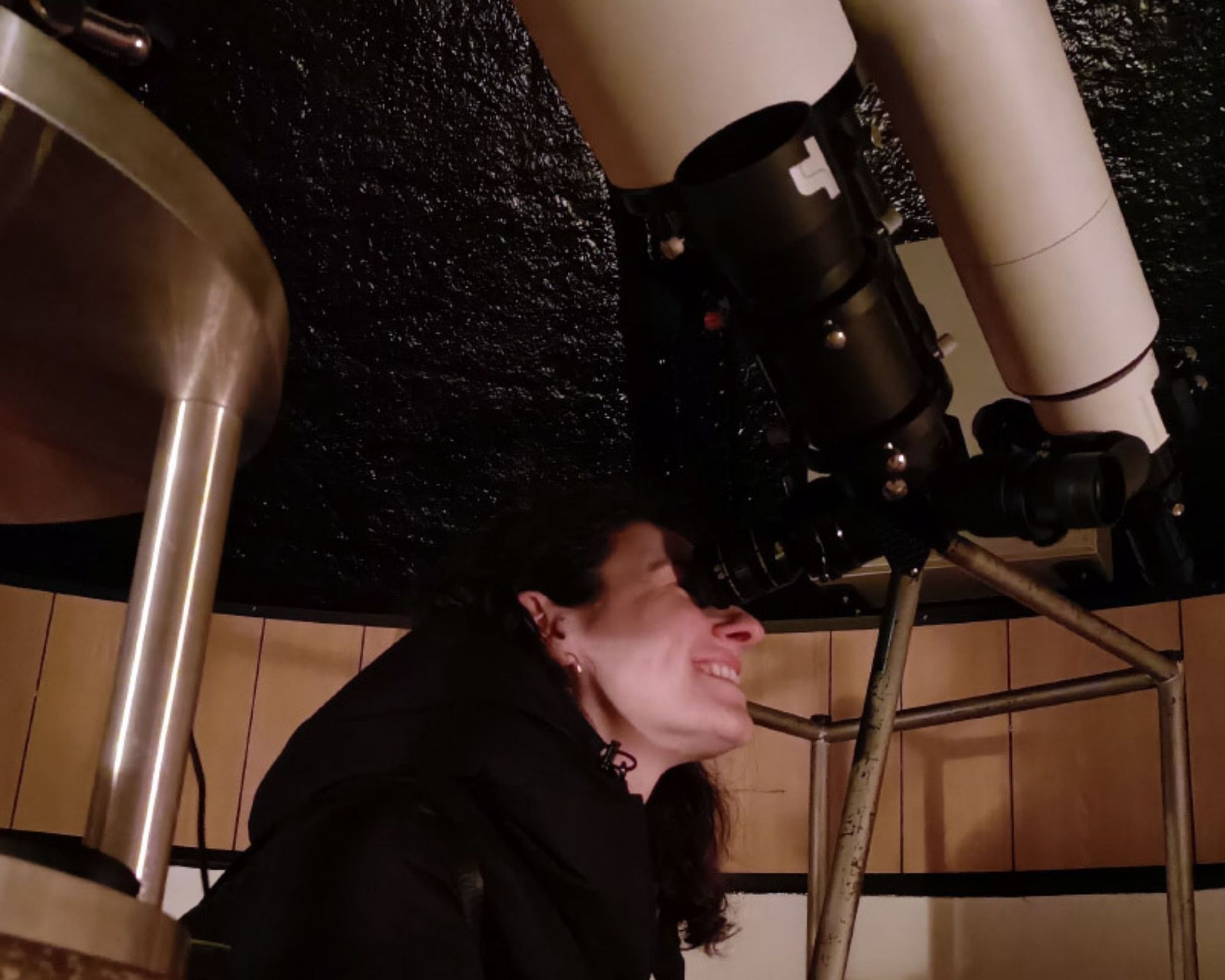
Evenings at the Cidnea Observatory
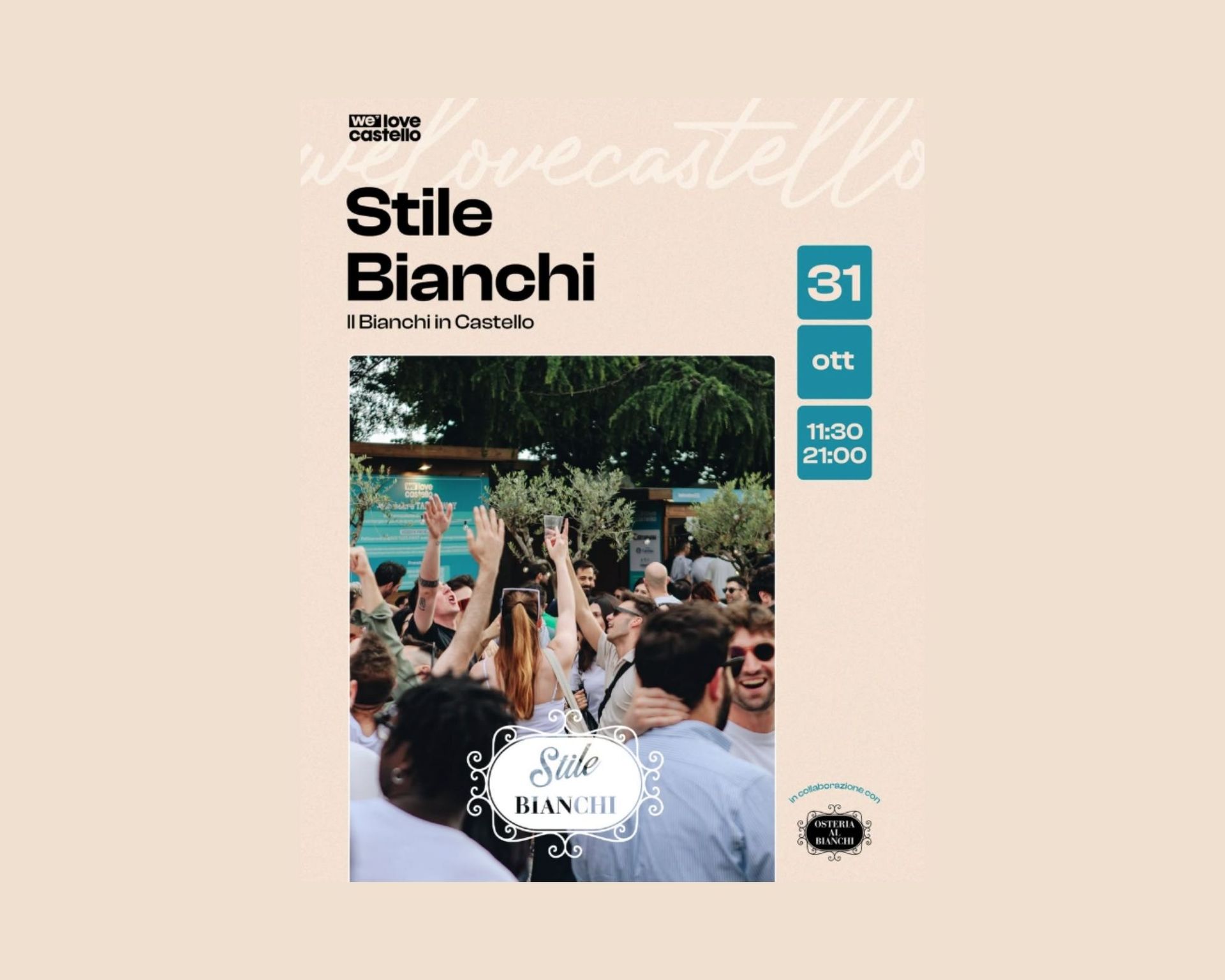
Oct 31, 2026 from 11:30 AM to 09:00 PM
Credits: Castello di Brescia
Halloween in Castle with Stile Bianchi
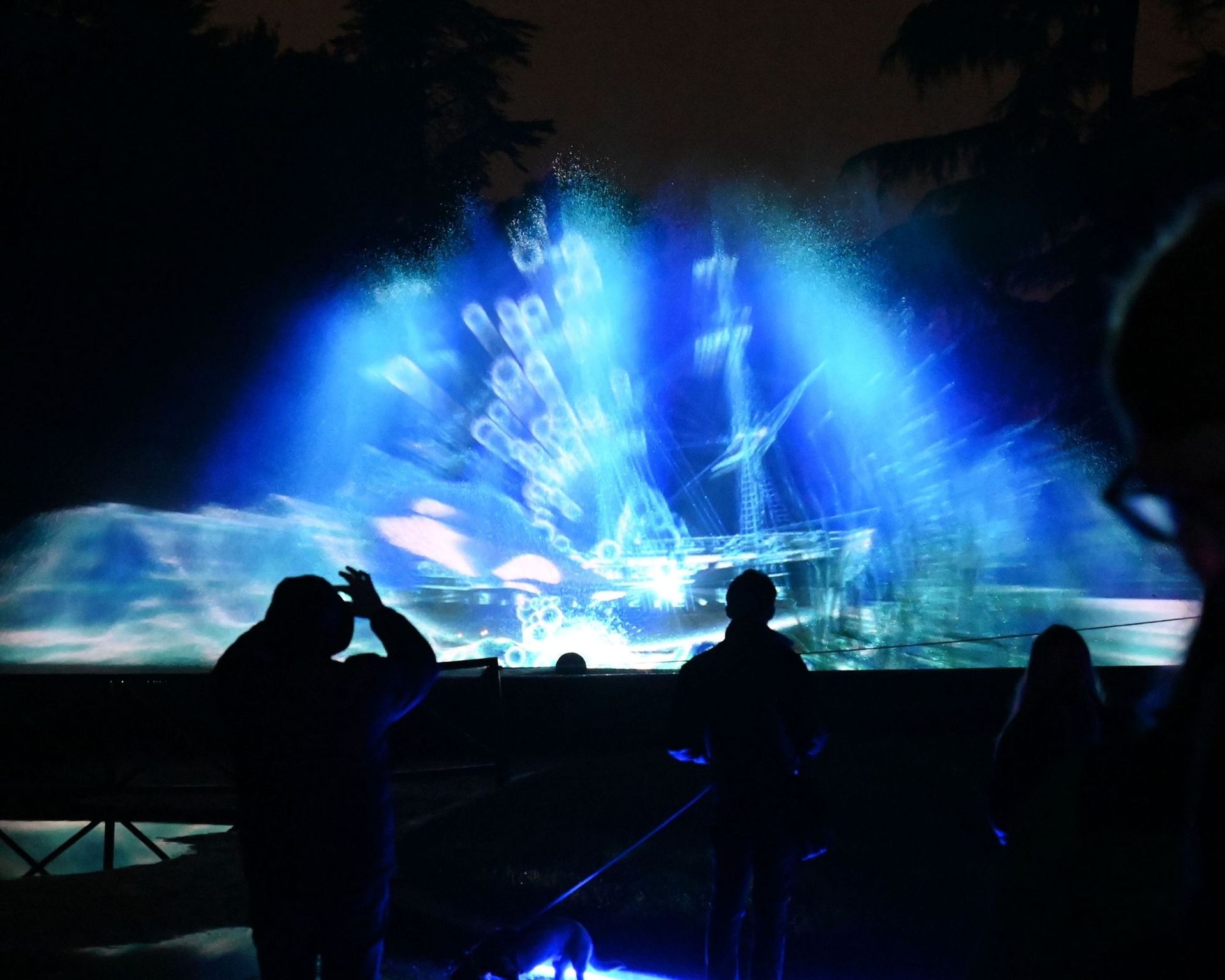
Nov 04, 2026 08:30 PM
@Christian Penocchio
Mysteria Preview: Murubutu in LetteratuRap talk
Nov 07, 2026 12:00 AM

@Mysteria Festival delle Culture Fantastiche
Circle of the Little Ones | Draw the Divine Comedy
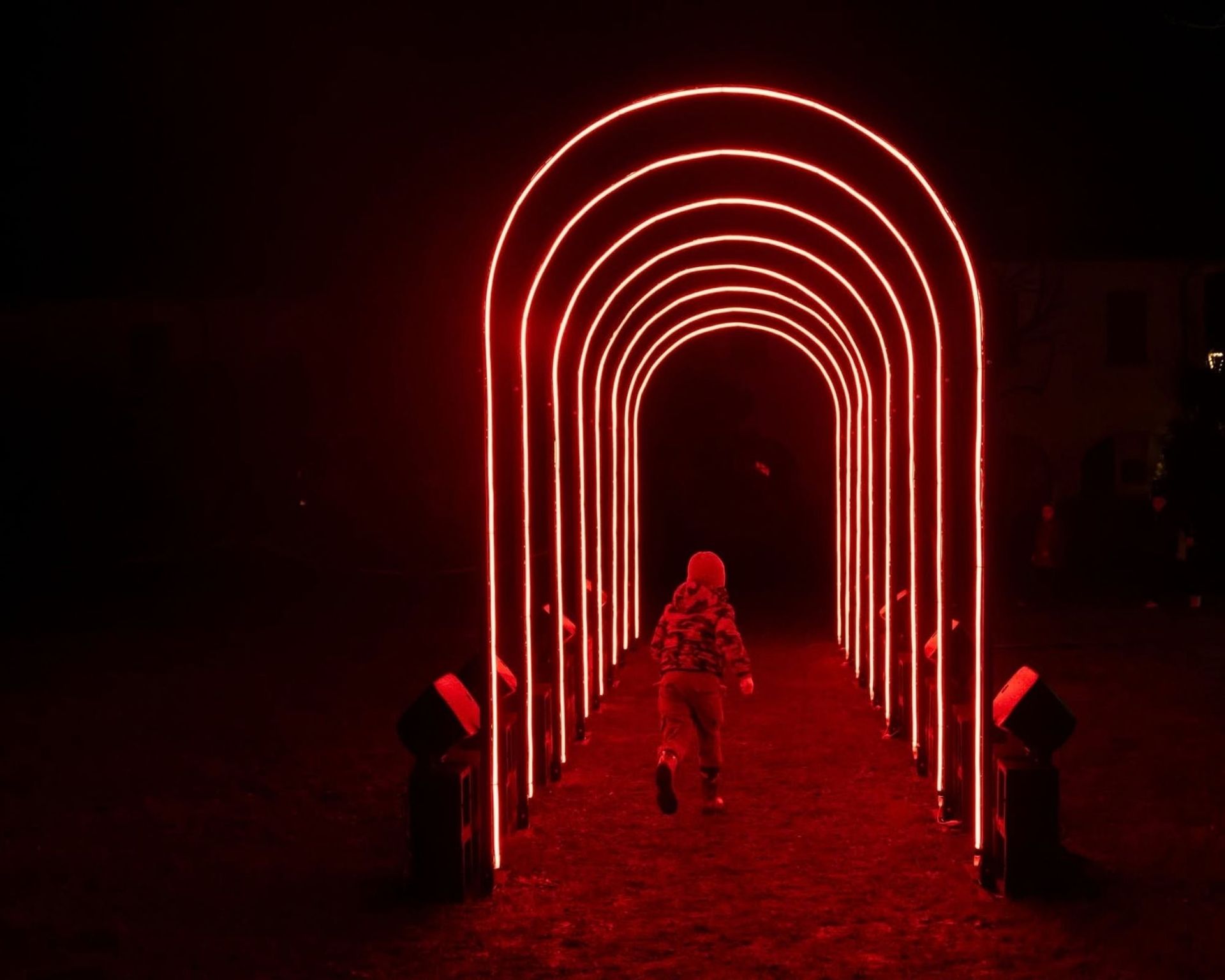
Nov 08, 2026 12:00 AM
@Mysteria Festival delle Culture Fantastiche
Circle of Little Ones | Biscuit Readings on the Go